







Outpatient care in Mount Pleasant, WI. Serving Racine and Kenosha counties.
/
Services

Services and Therapies We Offer

No two people need the same combination of care. Most need more than one kind. At Axis Behavioral Health, our addiction and mental health services in Mount Pleasant, WI address anxiety, depression, trauma and PTSD, and bipolar disorder. We also treat substance use, including alcohol, opioids, and stimulants. Both are handled in the same plan. You attend through outpatient programs, in person or by secure video.

The Clinical Core of Your Care

Women participating in a group therapy session during DBT therapy in Mount Pleasant, WI.

Dialectical Behavior Therapy (DBT)

When emotions run high and relationships strain under them, DBT gives you skills you can practice. Our clinicians teach four skill sets in individual sessions and group skills training. They are mindfulness, distress tolerance, emotion regulation, and interpersonal effectiveness. Each one is a concrete way to handle a hard moment.

Therapist taking notes while a patient participates in CBT therapy in Mount Pleasant, WI.

Cognitive Behavioral Therapy (CBT)

Cognitive behavioral therapy is collaborative and goal-oriented, focused on what is going on in your life today. With your Axis therapist, you learn to spot unhelpful thought patterns and reevaluate them. Then you build coping skills that change the behaviors keeping a hard cycle in motion.

Woman speaking with her therapist during individual therapy in Mount Pleasant, WI.

Individual Therapy

Some of what you are carrying needs a single, trusted listener. In confidential one-on-one sessions, your Axis therapist gets to know your history, goals, and the patterns you want to change. That relationship becomes the place to work on what is specific to you, at a pace you set together.

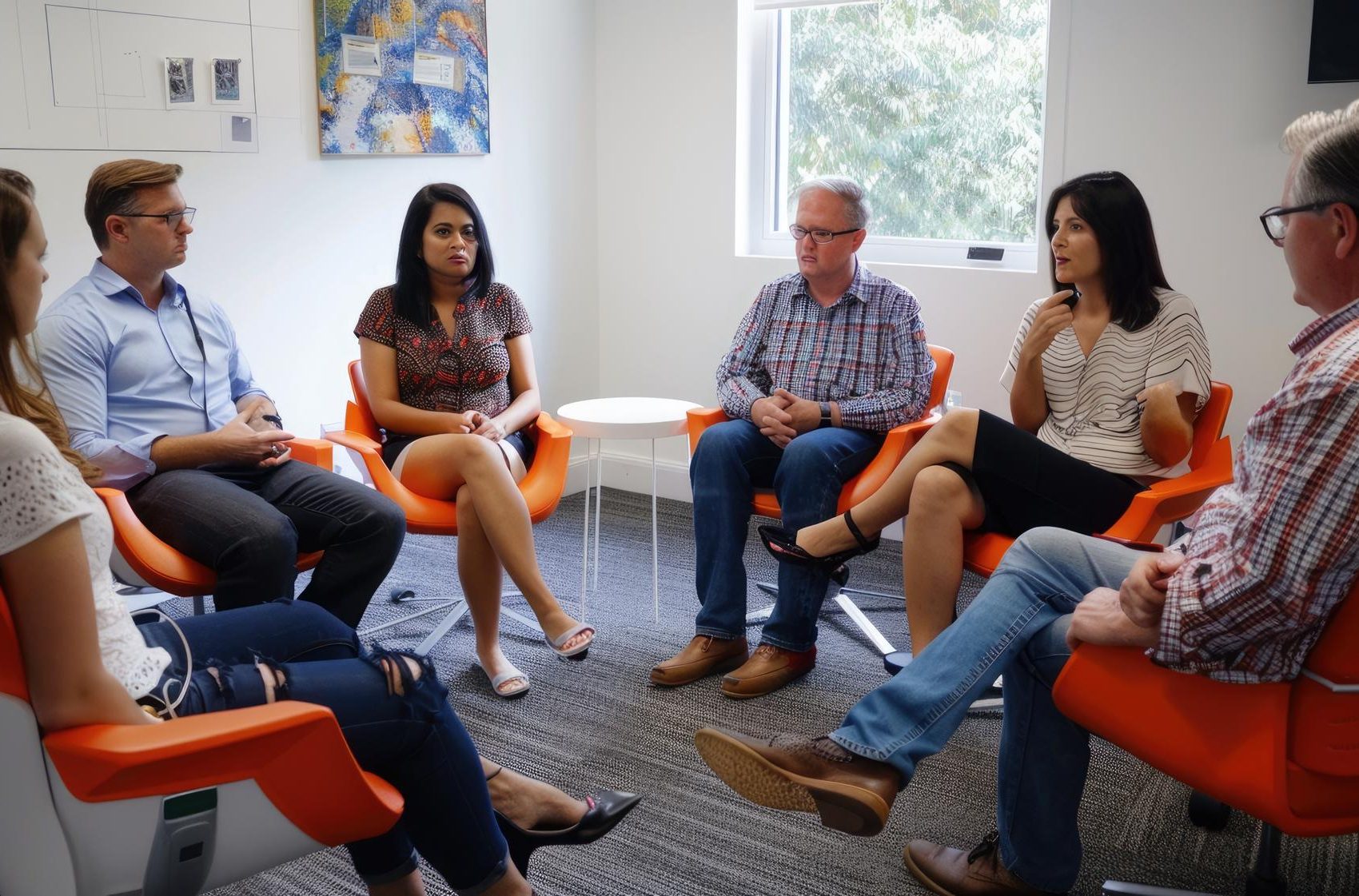
People talking during a group therapy session at Axis Behavioral Health in Mount Pleasant, WI.

Group Therapy

Hearing others put words to what you have carried alone makes it feel less isolating. Our clinicians lead group sessions with people working through similar challenges. You also watch peers make progress. That shared experience builds peer support.

Family smiling together during a therapy session in Mount Pleasant, WI.

Family Therapy

What you are going through touches the people around you. Our family sessions work with your family system as a whole. They focus on clearer communication and, with your consent, give loved ones a meaningful role in your care.

Doctor comforting a man during trauma-informed care in Mount Pleasant, WI.

Trauma-Informed Care

Trauma-informed care shapes every service we offer. Our team recognizes how trauma affects people. We build sessions around your physical and emotional safety and give you choices at each step. We work to build trust first. Everything else follows from there.

Doctor discussing medication options with a couple during medication-assisted treatment in Mount Pleasant, WI.

Medication-Assisted Treatment (MAT)

Our medication-assisted treatment pairs medication support for substance use concerns, such as opioid or alcohol use, with counseling and behavioral therapies. This whole-patient approach makes medication one part of your plan. We use it when clinically appropriate and coordinate it with your therapy sessions.

Doctor holding a patient’s hand while discussing medication management in Mount Pleasant, WI.

Medication Management

With medication management, you work with a prescriber to decide whether psychiatric medication fits your mental health care. If it does, you start, monitor, and adjust it together alongside therapy. Appointments can take place in person or through telehealth when clinically appropriate.

People talking together during a 12-Step Facilitation session in Mount Pleasant, WI.

12-Step Facilitation

12-Step Facilitation is an optional, structured way to explore community peer-support groups such as AA or NA. A clinician on our team walks you through what these mutual-help groups involve and how to connect with one. The groups are peer-run, and we don't operate them. Whether you take part is your decision.

Complementary Support for the Whole Person

At Axis Behavioral Health, we also offer mind-and-body practices tailored to your needs. We integrate each holistic therapy with your clinical care.

meditation icon

Mindfulness and Meditation

Slowing your breath and settling into the present moment is a skill. We teach it in guided sessions. The practice connects to the mindfulness skills taught in DBT. The breathing techniques are simple enough to practice on your own between sessions.
music icon

Music Therapy

In music therapy sessions with our team, you might listen to a piece that matches where you are today, pick up an instrument, or write something of your own. Each session is shaped around your goals. You do not need any musical background to take part.
palette icon

Creative Art Sessions

Creative art sessions invite you to explore thoughts and feelings through art-making, including ones that are hard to put into words. We keep the focus on the creative process and what it brings up. You do not need artistic skill to take part.

lotus icon

Yoga and Sound Bowl Sessions

Yoga and sound bowl sessions pair gentle movement and steady breath with stillness as singing bowls sound around you. The whole session centers on relaxation. Our team guides each part, from the first stretch to the last quiet moment.

reiki icon

Reiki

You stay fully clothed and lie down while our Reiki practitioner rests their hands lightly on or just above your body. Reiki is a Japanese energy practice that some clients add to their broader care. There's no massage or pressure, just an unhurried stretch of time focused on rest.
nutrition icon

Nutrition Counseling

Eating patterns, physical health, and the daily routines that hold your week together all matter while you are in care. In nutrition counseling with our team, you talk through meals and practical changes that fit your life.

How Your Services Come Together in One Plan

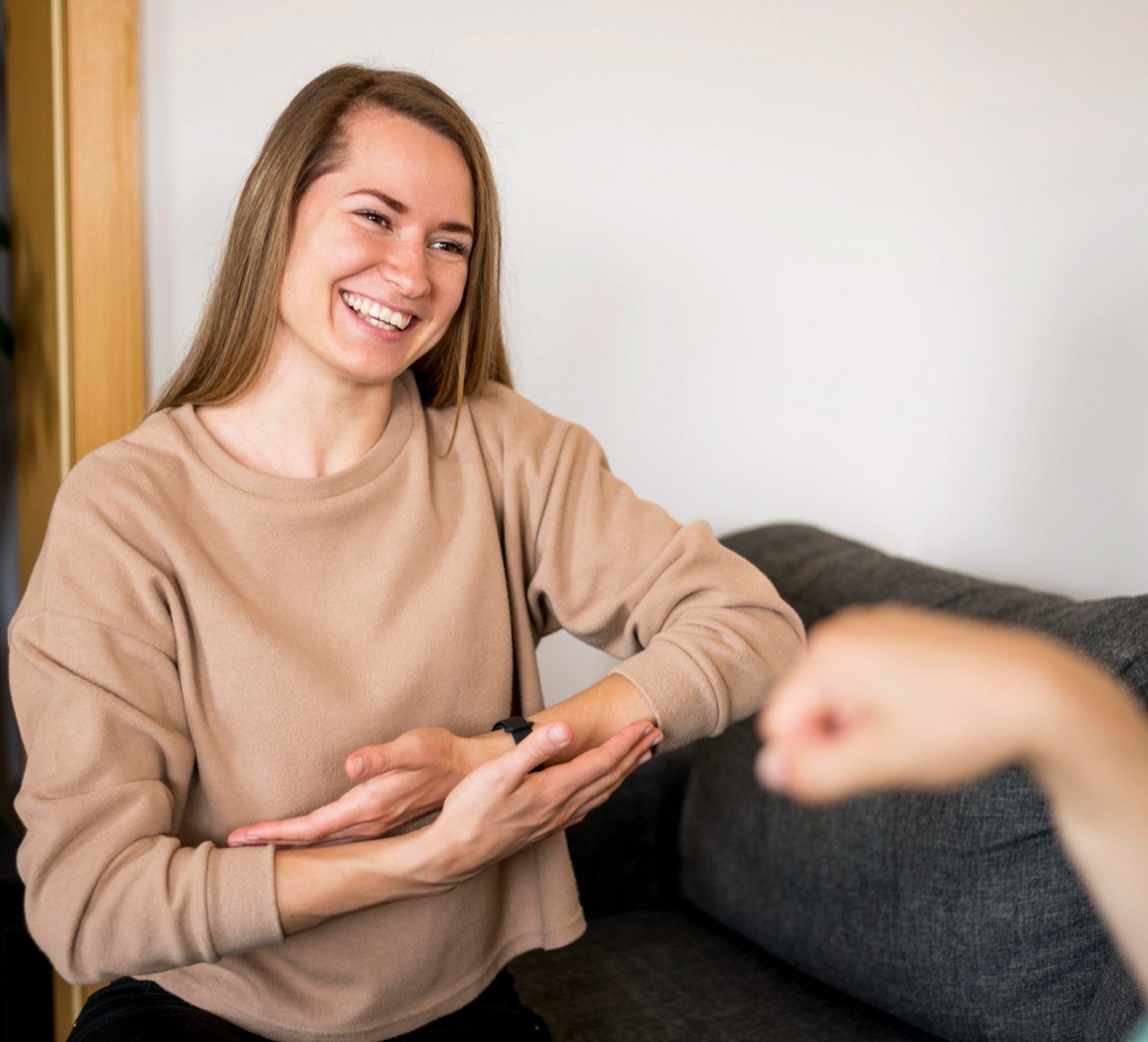
You and your clinical team choose your services together. It starts with a clinical assessment. We look at what you are experiencing, what you want from care, and whether you are facing co-occurring mental health and substance use needs.

We then combine clinical therapies, medication support, and complementary practices into one individualized treatment plan. One person’s plan might pair CBT and group therapy with medication management. Another might center on DBT skills, family therapy, and mindfulness sessions.

Our PHP and IOP programs draw on the same clinical services. No single approach fits everyone. Your needs can shift as you go. We adjust your plan over time through the same joint conversations that built it.

Woman speaking with her therapist during personalized behavioral health services in Mount Pleasant, WI.
Woman smiling while interacting with her therapist during behavioral health therapy in Mount Pleasant, WI.

Start From Where You Are With Axis Behavioral Health

You don’t have to sort through a list of services by yourself. One conversation with our team turns that list into a clear direction and a first appointment.

At Axis Behavioral Health, we work with adults in Mount Pleasant and across Racine County, in person and virtually. Call or send us a message today. We will talk through what is going on and which services make sense for you.

Questions About Our Services and Therapies

Choosing therapy at Axis Behavioral Health raises practical questions you or your family want to know before starting treatment.

What Is the Difference Between DBT and CBT?

CBT focuses on noticing unhelpful thoughts and behavioral habits and changing them. DBT adds acceptance and mindfulness to that work, plus structured skills for handling distress and intense emotions. Most clients are matched to one based on their assessment. Some use both.

The difference is what each one treats. MAT addresses substance use, combining medication with counseling and behavioral therapy. Medication management covers psychiatric medication for mental health conditions, with a prescriber tracking and modifying it over time. If both are part of your picture, your plan can include both.

Tell your care team. We’ll adjust your plan, whether that means swapping the practice for something else or dropping it. Mindfulness and meditation are generally considered safe. Some people find them uncomfortable, particularly with a history of trauma. That’s one reason our clinicians stay involved throughout, checking how each practice is landing for you.

Our PHP and IOP programs run both in-person and virtually. Medication management can happen by telehealth. Talk-based services like individual, group, and family therapy work either way. Hands-on practices, including Reiki, yoga, and sound bowl sessions, happen in-person.

Group sessions are a core part of both our PHP and IOP programs, and individual therapy runs alongside them. If the idea of speaking in a group makes you hesitate, say so during your assessment. Our clinicians will talk through what group looks like here and how to ease into it at your own pace.